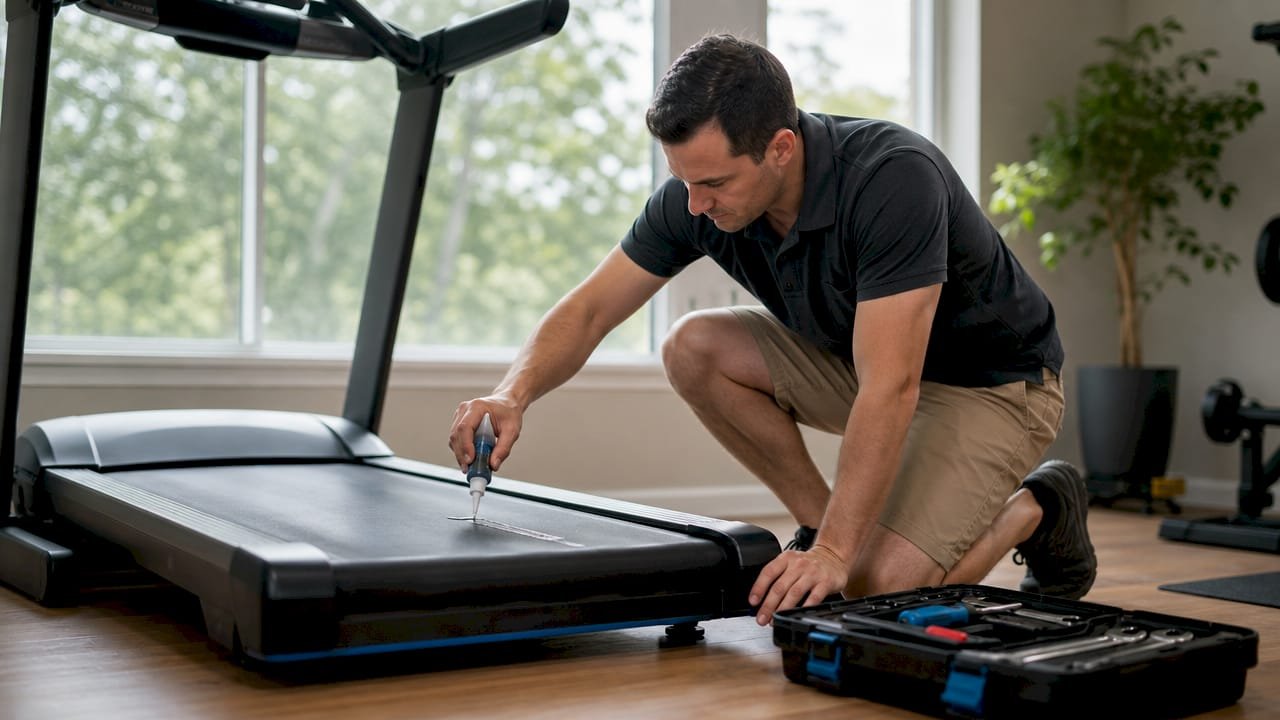
What Causes Treadmill Deck Glazing and How to Fix It
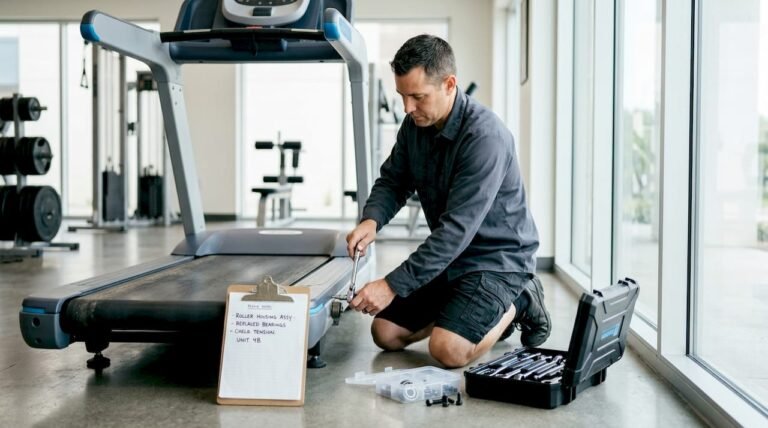
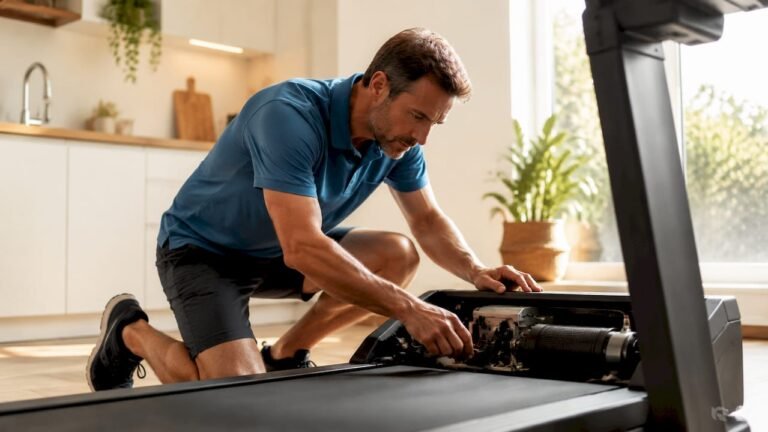
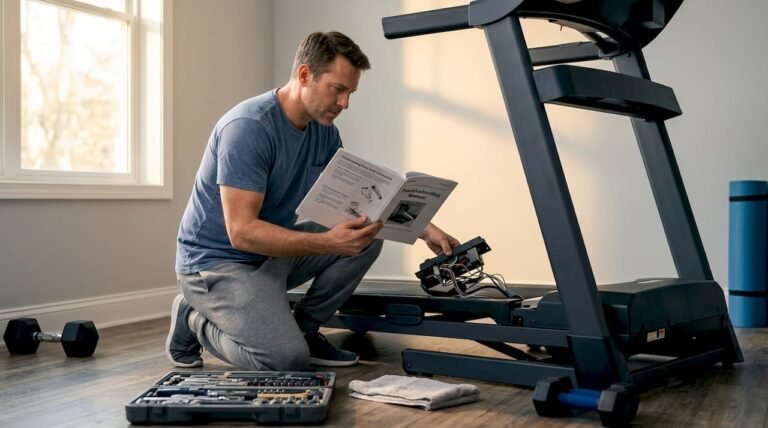
Treadmill deck glazing is the hardening and smoothing of the deck surface caused by dry friction, and it is the leading cause of belt slippage and motor strain in home and gym treadmills. The industry term for this condition is “deck glazing” or “surface hardening,” and it develops silently until your belt starts slipping, your motor overheats, or your treadmill shuts down mid-run. Understanding what causes treadmill deck glazing puts you ahead of the most common and costly treadmill repair calls Texastreadmillrepair sees across South Texas.
What causes treadmill deck glazing?
Treadmill deck glazing develops when the deck surface runs dry and friction generates enough heat to harden and polish the wood or laminate material beneath the belt. The deck loses its natural texture. Once that texture is gone, the belt has nothing to grip.
The primary cause is insufficient lubrication. Without a proper silicone barrier between the belt and deck, every footfall creates direct contact between two surfaces moving at speed. That contact generates heat. Over time, the heat cures the deck surface into a glassy, hardened layer. Dry decks cause most motor and controller damage because the motor works harder to push a belt that is dragging against a rough, then glazed, surface.
The second cause is using the wrong lubricant. 99% of general-purpose silicone sprays are petroleum-based and degrade the belt material quickly, sometimes voiding the manufacturer warranty. WD-40 is the most common offender. Petroleum products soften the belt’s underside, which then deposits residue onto the deck and accelerates glazing rather than preventing it.
A third, often overlooked cause is accumulated dust and debris. Dust and debris between belt and deck increase friction and glazing risk directly. Debris acts like sandpaper, grinding away the deck’s surface texture and generating heat that hardens what remains.
Key causes of treadmill deck glazing:
- Skipping lubrication for months at a time
- Using WD-40, petroleum sprays, or general-purpose lubricants instead of 100% silicone
- Running the treadmill with a loose or misaligned belt
- Neglecting to clean dust and debris from under the belt
- Running a residential deck past its service life without inspection
Pro Tip: Lift the edge of your walking belt and run your finger along the deck surface. A healthy deck feels slightly waxy. A glazed deck feels hard, smooth, and almost shiny, like polished wood.
Glazing also occurs on the hidden drive belt under the motor hood. A glazed drive belt produces mechanical whining and torque loss, and no amount of tension adjustment will fix it. This is why many users think they have an electrical problem when the real issue is surface wear.
How do deck materials affect glazing risk?
The material your deck is made from directly controls how fast glazing develops and how often you need to lubricate. Not all decks behave the same under heat and friction.
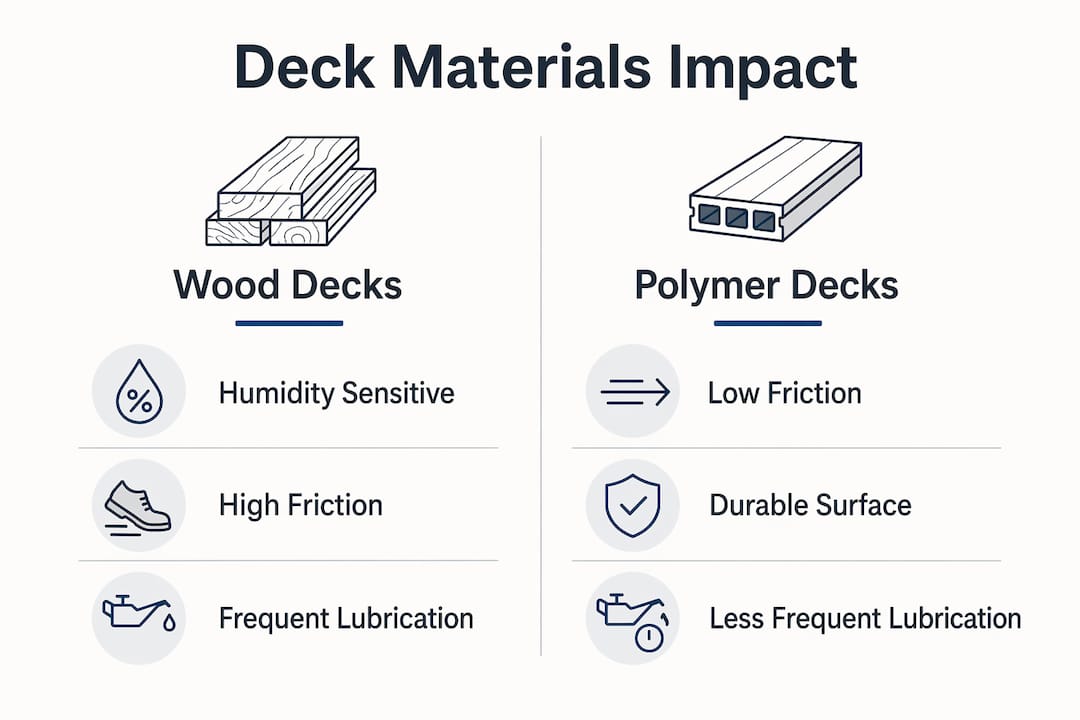
Wood decks swell in humidity, which increases friction against the belt and accelerates glazing. Polymer and laminate decks run cooler under identical conditions, reducing the rate at which heat builds up and hardens the surface. Polymer decks operate 5–10°C cooler than wood decks under the same load. That temperature difference translates directly into a longer interval between required lubrication sessions.
| Deck material | Glazing risk | Lubrication frequency | Lifespan (heavy use) |
|---|---|---|---|
| Plywood (standard) | High | Every 3 months | 2–4 years |
| Laminate over plywood | Medium | Every 3–6 months | 3–5 years |
| Polymer or composite | Low | Every 6 months | 5+ years |
| Commercial-grade multi-ply | Low | Every 6 months | 7+ years |
Standard 0.75-inch residential decks show glazing and delamination signs around year 3 under heavy use. Commercial-grade decks last significantly longer under the same foot traffic. If you run more than 30 minutes daily on a residential machine, you are putting commercial-level stress on a residential-grade deck. That gap in design tolerance is where glazing starts.
For gym owners managing multiple machines, the treadmill deck wear patterns in high-traffic environments follow a predictable cycle that material selection can extend or shorten significantly.
What maintenance practices prevent treadmill deck glazing?
Prevention is simpler than repair. A consistent maintenance routine stops glazing before it starts.
Follow these steps to keep your deck in good condition:
- Inspect the deck every 200 miles. Inspections every 200 miles are the standard interval for residential decks. Lift the belt edge and check the deck surface for shine, discoloration, or rough patches.
- Use only 100% silicone lubricant. No petroleum products, no general-purpose sprays. Pure silicone lubricant is the only product that protects the deck without degrading the belt material.
- Apply the right amount. Apply about 1 ounce of silicone lubricant per session and wipe away any excess. Over-lubrication creates a slippery layer that causes traction loss and can drip onto the drive belt.
- Check belt tension monthly. A loose walking belt lifted more than 3 inches at center signals a tension problem. Loose belts slap against the deck repeatedly, creating uneven friction that leads to localized glazing.
- Clean under the belt monthly. Use a dry cloth to remove dust and debris from the belt underside and deck surface. Monthly cleaning reduces heat buildup and extends both belt and deck lifespan.
- Check belt alignment. A belt that drifts to one side concentrates wear on a narrow strip of the deck. That strip glazes faster than the rest of the surface.
Pro Tip: After lubricating, run the treadmill at 3 mph for two minutes with no one on it. This distributes the lubricant evenly across the full deck surface before your next workout.
Avoiding common mistakes matters as much as following the right steps. WD-40 is the single most damaging product applied to treadmill decks. It feels like it helps at first because it reduces squeaking, but it degrades belt rubber and leaves a residue that bakes onto the deck under heat. The result is accelerated glazing and a voided warranty.
How to recognize and fix treadmill glazing early
Catching glazing early saves you from a belt replacement or a motor repair. The symptoms are specific enough that you can diagnose the problem yourself before calling a technician.
Signs your deck may be glazed:
- The belt slips under your foot when you push off, especially at higher speeds
- The treadmill stops or slows after 10–15 minutes of use
- You hear a mechanical whining or grinding sound during operation
- The belt movement feels jerky rather than smooth
- The motor runs louder than usual or the machine feels sluggish
Users often mistake glazing symptoms for electrical or motor failure, but technicians confirm that friction from a dry or glazed deck is the true cause in most cases. Treadmill belt glazing increases slip factor by 25–40%, contributing directly to motor overheating and torque loss. That is not a motor problem. It is a surface problem wearing out the motor.
To fix early-stage glazing, start with a thorough cleaning of the deck and belt underside. Remove all debris and old lubricant residue. Then apply fresh 100% silicone lubricant and run the machine at low speed to distribute it. If the slipping stops, the glazing was mild and lubrication was sufficient.
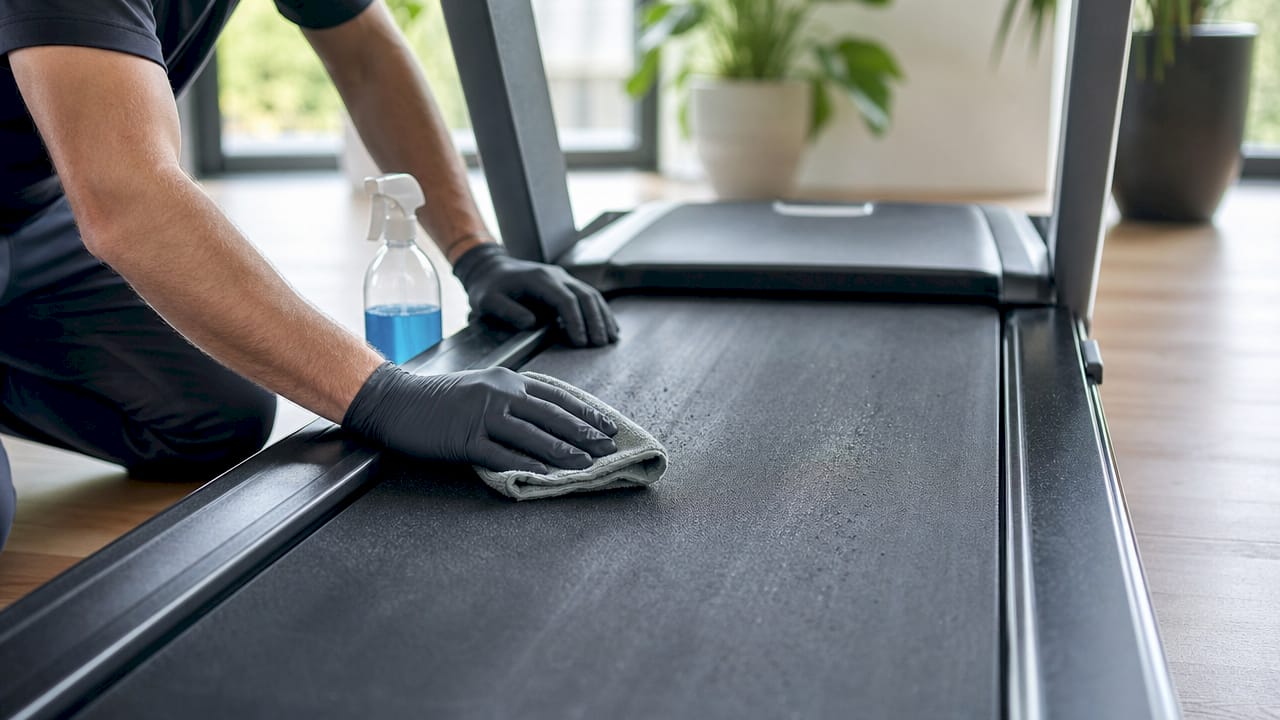
For moderate glazing, the deck surface may need light sanding with fine-grit sandpaper to restore texture before re-lubricating. This is a repair that many users can do themselves following the steps in a treadmill deck replacement guide before deciding whether a full replacement is needed.
If the belt underside shows a shiny, hardened strip running its full length, the belt needs replacement. 30% of belt failure cases involve belts over 3 years old due to neglected lubrication. A glazed belt cannot be restored by lubrication alone. Replacing it alongside the deck is the only reliable fix at that stage.
Watch for 8 warning signs that indicate your treadmill needs professional attention rather than a DIY fix.
Key Takeaways
Treadmill deck glazing results from dry friction, wrong lubricants, and neglected maintenance, and it causes belt slippage, motor overheating, and premature component failure.
| Point | Details |
|---|---|
| Primary cause is dry friction | Skipping lubrication allows heat to harden the deck surface into a glassy layer. |
| Wrong lubricants accelerate damage | Petroleum-based sprays like WD-40 degrade belts and bake residue onto the deck. |
| Material choice affects glazing rate | Polymer decks run cooler and resist glazing longer than standard plywood decks. |
| Early symptoms are diagnosable | Belt slipping, jerky motion, and motor noise after 10–15 minutes signal glazing. |
| Prevention requires a routine | Monthly cleaning, correct silicone lubrication, and tension checks stop glazing before it starts. |
What I’ve learned from years of glazing repairs
The most expensive glazing repairs I see share one thing in common: the owner noticed the slipping weeks earlier and assumed it would sort itself out. It never does. Glazing is a progressive condition. The longer the belt runs on a hardened surface, the more heat it generates, and the deeper the damage goes into the motor and controller.
The second pattern I see constantly is the WD-40 mistake. Someone hears a squeak, grabs what is under the sink, and sprays it on the belt. The squeak stops. Three months later, the belt is shredded and the deck looks like a hockey rink. Using the wrong product feels like a fix right up until it becomes a $400 repair call.
The overlooked insight most articles skip is this: over-lubrication is nearly as damaging as under-lubrication. A deck drowning in silicone loses belt traction just as effectively as a dry one. The belt spins without gripping, the motor compensates by drawing more current, and the controller overheats. One ounce, evenly applied, is the right amount every time.
Consistent upkeep is not complicated. It takes about ten minutes every three months. That ten minutes is the difference between a treadmill that lasts a decade and one that needs a major repair every two years. The cycle of recurring treadmill problems almost always traces back to skipped maintenance, not bad luck.
— Steve
Treadmill glazing repair services from Texastreadmillrepair
If your treadmill is slipping, shutting down mid-run, or making noise you cannot explain, glazing may already be past the point of a DIY fix.

Texastreadmillrepair sends certified technicians directly to your home or gym across South Texas, with same-week appointments and flat-rate pricing so you know the cost before work begins. Every repair comes with a 90-day warranty on parts and labor. If you are unsure whether your deck is salvageable or needs full replacement, the treadmill repair services page covers everything from belt and deck work to motor diagnostics. Not sure if your machine is worth repairing? The repairable vs. unrepairable guide helps you make that call before spending a dollar.
FAQ
What is treadmill deck glazing?
Treadmill deck glazing is the hardening and smoothing of the deck surface caused by dry friction between the belt and deck. It produces a shiny, polished appearance and causes belt slippage and motor strain.
How do I know if my treadmill deck is glazed?
The clearest signs are belt slipping under foot, jerky belt movement, and the treadmill stopping after 10–15 minutes of use. Running your finger along the deck surface and feeling a hard, glassy texture confirms glazing.
Can I fix treadmill glazing myself?
Early-stage glazing responds to cleaning and fresh 100% silicone lubrication. Moderate glazing may require light sanding to restore deck texture before re-lubricating. Severe glazing with a fully hardened deck or shredded belt requires professional repair or component replacement.
What lubricant should I use on a treadmill deck?
Use only 100% silicone lubricant, applied at about 1 ounce per session. Petroleum-based products like WD-40 degrade belt material and accelerate glazing rather than preventing it.
How often should I lubricate my treadmill deck?
Lubricate every 3 months for standard plywood decks under regular use, or every 200 miles of running. Polymer and composite decks can go up to 6 months between lubrication sessions due to better heat management.