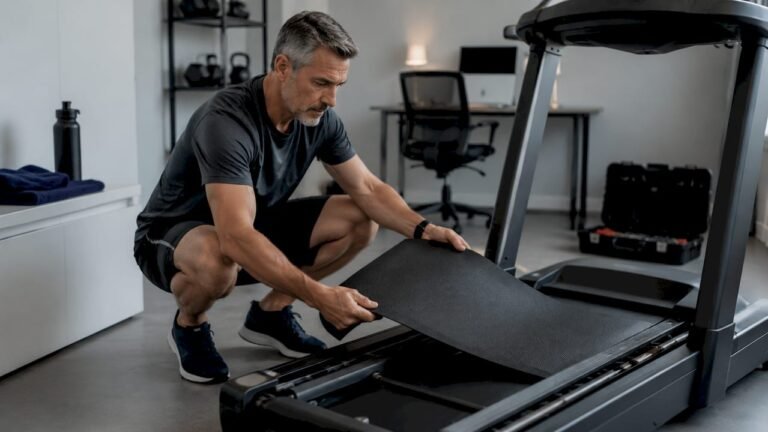
Signs Your Treadmill Needs Immediate Repair: 8 Warnings
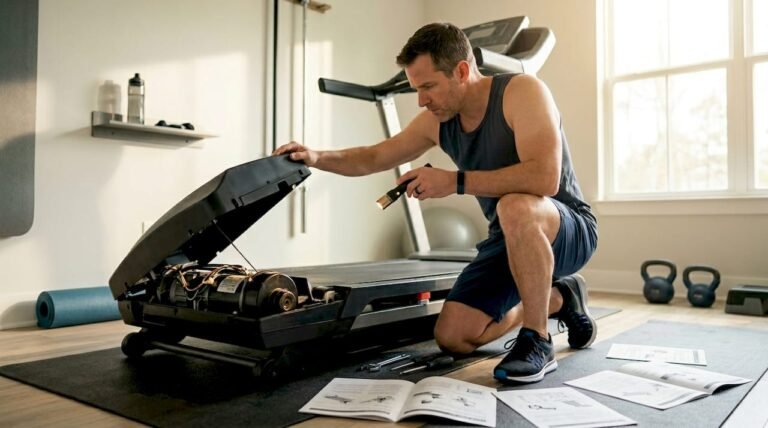
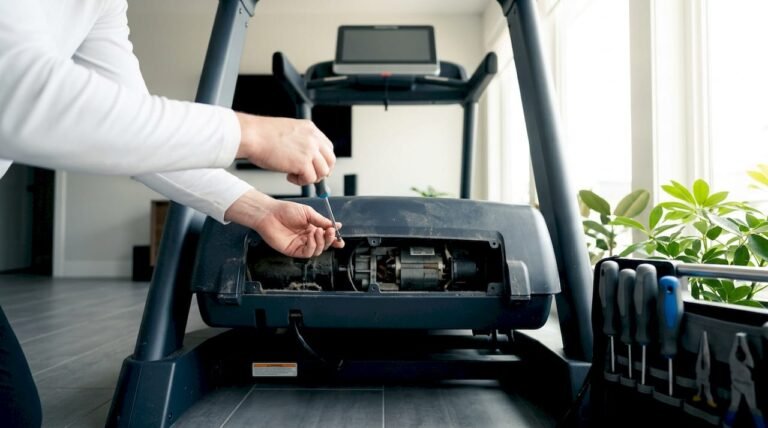
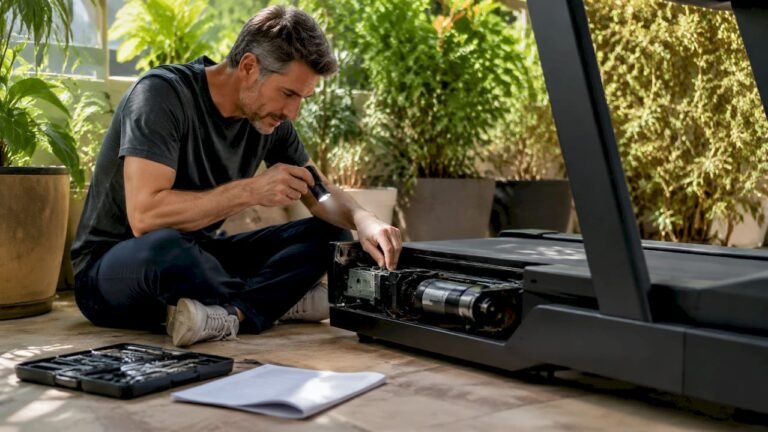
A treadmill that needs immediate repair announces itself through burning smells, grinding noises, erratic speed changes, and console error codes that signal active mechanical or electrical failure. These are not minor quirks to monitor. They are urgent warnings that, if ignored, can cause electrical fires, permanent motor damage, or a mid-workout fall. Recognizing the signs treadmill needs immediate repair is the difference between a quick fix and a full machine replacement. The sections below break down each warning sign, what causes it, and exactly what to do next.
1. What are the signs treadmill needs immediate repair?
The clearest treadmill malfunction indicators are burning smells, sudden shutdowns, speed surges, grinding or squeaking noises, and error codes on the console. Immediate professional repair is required when any of these appear, because they signal critical electrical or mechanical failure with real risk of fire or permanent damage. Most people assume these symptoms will resolve on their own. They do not. Each one reflects a system under stress that is getting worse with every use.
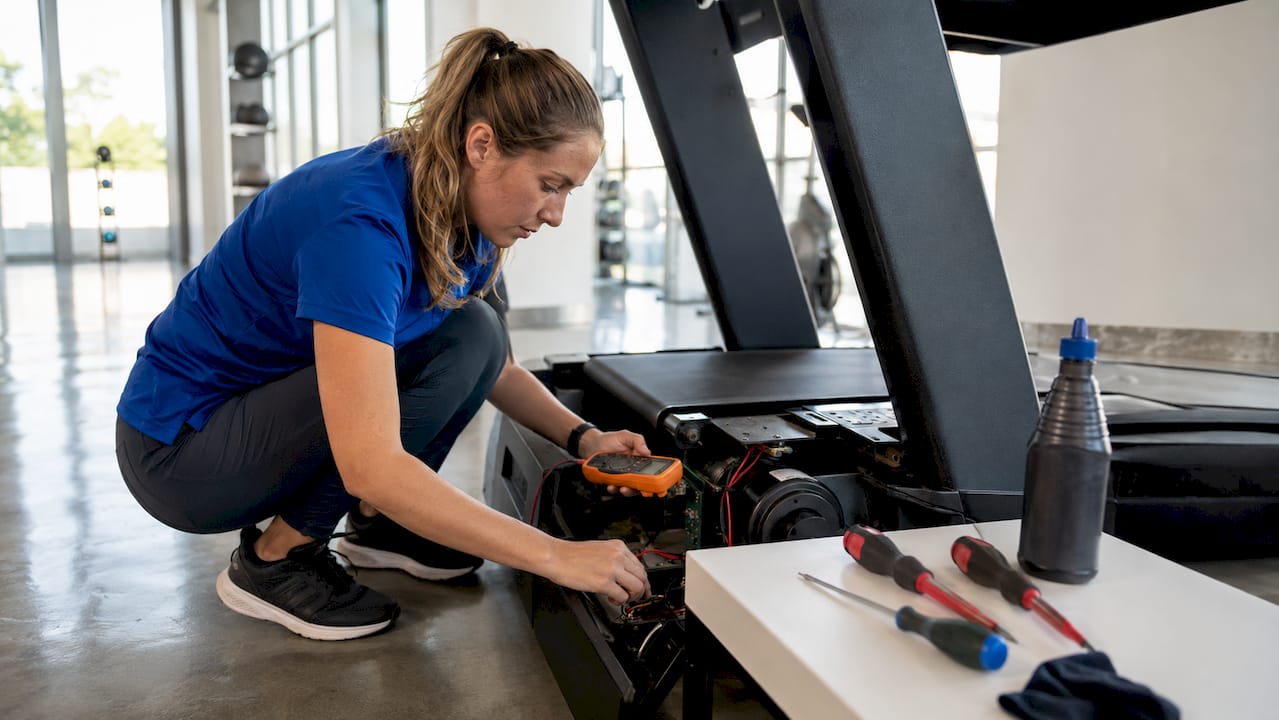
2. What burning smells from your treadmill reveal
A burning smell is the single most urgent treadmill warning sign you can encounter. It means the motor brushes, belt, or wiring is overheating due to friction or an electrical fault. Continuing to run the treadmill while smelling burning rubber or plastic risks an electrical fire or total motor destruction.
The moment you detect a burning odor, take these steps:
- Stop the treadmill immediately. Do not finish your workout.
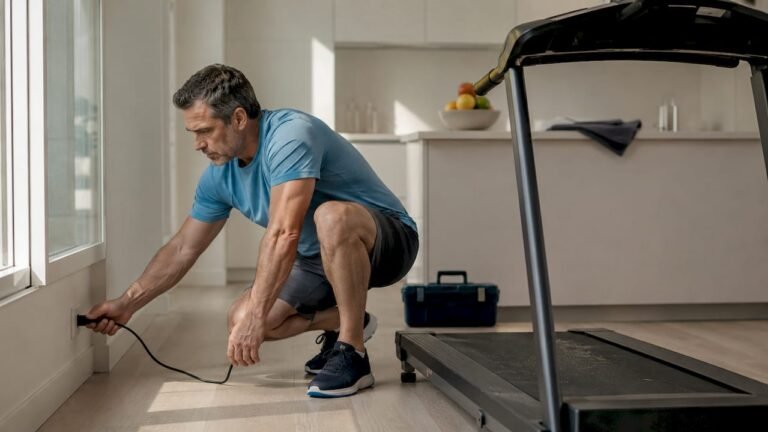
- Unplug the machine from the wall. Do not just press the power button.
- Do not restart it. Restarting on a burning odor worsens the damage every time.
- Schedule professional service before using it again. A certified technician can identify whether the motor, belt, or control board is the source.
Pro Tip: If the smell appears only after 10–15 minutes of use, the motor is likely overheating under load. This points to a lubrication or motor brush issue rather than a wiring fault. Tell your technician when the smell starts.
The source of a burning smell matters. A rubber odor usually means belt friction against a dry deck. A plastic or chemical smell points to electrical components. Either way, the machine needs to be off and unplugged until a technician inspects it. You can read more about motor burning smell causes and what to do next.
3. How unusual noises warn of mechanical problems
Grinding, squeaking, and clunking sounds are not background noise. Proper lubrication reduces running noise, so when those sounds appear, it means lubrication is overdue or a component is already damaged. Noise is an early warning of mechanical failure and must not be ignored.
Common noise types and their likely causes:
- Grinding: Worn bearings in the front or rear roller. The roller is beginning to seize.
- Squeaking: Dry belt or misaligned belt rubbing against the frame or deck.
- Clunking: A loose roller bolt, a damaged drive belt, or a warped deck board.
- Thumping rhythm: A flat spot on the roller from long-term use without movement.
- High-pitched whine: Motor brushes wearing down or a failing motor capacitor.
Pro Tip: Run the treadmill at a slow speed (around 2 mph) and listen carefully. Noises that change pitch with speed usually point to the belt or rollers. Noises that stay constant regardless of speed often come from the motor or drive system.
Ignoring these sounds accelerates wear on every connected component. A squeaking belt that costs $40 to fix today can destroy a $300 roller in two weeks if left alone. The noise is the treadmill telling you something is wrong before the failure becomes catastrophic.
4. Why erratic treadmill speed signals urgent faults
Speed inconsistencies are one of the most dangerous treadmill problems because they create fall risk. If your belt surges, stalls, or changes pace without input, the machine is unsafe to use. Speed fluctuations and sudden stopping are often caused by worn motor brushes, damaged motors, or overheated control boards, not random electrical glitches.
Before calling a technician, run through these checks:
- Check the safety key. A loose or worn safety key causes intermittent shutdowns that mimic speed problems.
- Inspect the power outlet. Plug the treadmill directly into a wall outlet, not a power strip. Voltage drops from shared circuits cause speed fluctuations.
- Look for error codes. Speed sensor failures often trigger a console code before the belt behavior becomes obvious.
- Test at multiple speeds. If the problem only occurs above 6 mph, the motor is likely overloading under high demand.
If none of these steps resolve the issue, the speed sensor, reed switch, or control board needs professional diagnosis. These are not user-serviceable parts. Attempting to adjust them without proper tools causes further damage.
5. Recognizing console error codes and power failures
Console error codes are the treadmill’s built-in diagnostic system. An E1 code, for example, indicates speed sensor or reed switch failure related to friction or motor overload. Ignoring an error code and continuing to use the machine risks burning out the control board, which is one of the most expensive components to replace.
| Error Code | Likely Cause | Immediate Action |
|---|---|---|
| E1 | Speed sensor or reed switch failure | Stop use, check safety key, call technician |
| E2 | Incline motor fault | Stop use, do not force incline changes |
| E3 | Overtemperature or motor overload | Unplug, allow 30-minute cooldown, call technician |
| No power | Blown fuse or failed control board | Check outlet and fuse before calling for service |
Before calling for repair, check two things. First, confirm the safety key is fully seated. Second, verify the treadmill is plugged into a surge-protected outlet, not a standard power strip. A surge protector prevents voltage spikes from damaging the control board. If the error code returns after these checks, treadmill error codes need professional diagnosis to avoid a costly control board replacement.
6. Key treadmill belt issues that trigger urgent repairs
Belt problems are the most common source of treadmill repair signs, and they escalate fast. A belt that slips, feels rough underfoot, or shows visible fraying is already causing motor strain with every step. A dry or tacky belt increases friction against the deck and forces the motor to work harder, which shortens motor life significantly.
Watch for these specific belt warning signs:
- Slipping under load: The belt hesitates or slides when you push off. This means the belt is too loose or too worn to grip the deck.
- Frayed or cracked edges: Visible damage on the belt edges means replacement is overdue.
- Dark marks or black dust on the deck: This is belt material wearing away from excessive friction.
- Wrinkling or bunching: The belt has stretched beyond its usable tension range.
- Persistent slipping after lubrication: If belt slipping continues after proper lubrication and tensioning, stop using the treadmill immediately to protect the deck and rollers.
| Belt Condition | Risk Level | Recommended Action |
|---|---|---|
| Dry or tacky surface | Moderate | Lubricate with silicone-based lubricant |
| Slipping under load | High | Adjust tension or replace belt |
| Frayed edges | High | Replace belt immediately |
| Black dust on deck | Critical | Stop use, inspect motor and deck |
Pro Tip: Over-tightening the belt accelerates damage to the motor and drive rollers. Make small, quarter-turn adjustments to the rear roller bolts and test after each one. Never crank the belt tight in one move.
Lubrication takes under 15 minutes and costs about $15–$20 annually. That small investment prevents the motor strain that leads to failures costing hundreds of dollars to fix.
Key takeaways
Ignoring treadmill warning signs like burning smells, erratic speed, unusual noises, and belt slipping leads to motor failure, control board damage, and safety hazards that cost far more to fix than early intervention.
| Point | Details |
|---|---|
| Burning smell means stop now | Unplug immediately and do not restart until a technician inspects the motor and wiring. |
| Noise is an early failure signal | Grinding, squeaking, or clunking sounds indicate worn bearings, dry belts, or loose rollers. |
| Speed problems are a safety risk | Surges and stalls point to worn motor brushes or a failing control board, not random glitches. |
| Error codes need prompt action | Check the safety key and surge protector first, then call a technician before the control board fails. |
| Belt maintenance prevents motor damage | Lubricate regularly, adjust tension in small increments, and replace frayed belts before they destroy the deck. |
What I have learned from years of treadmill failures
Most treadmill failures I have seen did not happen overnight. Sudden failures develop over weeks from neglect like dust buildup and lack of lubrication, causing motor strain and electrical stress long before the machine stops working. The owner notices a small squeak or a brief hesitation and decides to wait. By the time the belt slips badly or the motor shuts down, the damage has already spread to two or three components.
The mistake I see most often is treating a treadmill like a car with a check engine light. People assume they have time. With treadmills, the window between “something sounds off” and “the motor is gone” is much shorter than most expect. Proper upkeep can extend treadmill lifespan from 3–4 years to 10–15 years. That gap is entirely determined by how quickly you respond to early warning signs.
My honest advice: if your treadmill smells, sounds, or behaves differently than it did last month, treat it as urgent. The cost of a service call is a fraction of a motor replacement. And a treadmill that throws you off at 6 mph because the belt slipped is a genuine injury risk, not just an inconvenience. Act on the first sign, not the third.
— Steve
Get your treadmill running safely again with Texastreadmillrepair
Texastreadmillrepair serves South Texas treadmill owners with same-week appointments and certified technicians who come directly to your home or gym. No hauling equipment anywhere.

Whether your machine has a burning smell, a slipping belt, or an error code that will not clear, Texastreadmillrepair diagnoses and fixes the problem in one visit. The flat-rate pricing model means no surprise fees, and every repair comes with a 90-day warranty on parts and labor. If you are not sure whether your machine is worth fixing, the owner’s repair guide helps you decide before you spend a dollar. For full service options, visit the treadmill repair services page and book your appointment today.
FAQ
What are the most urgent signs a treadmill needs repair?
Burning smells, sudden shutdowns, erratic speed changes, and grinding noises are the most urgent treadmill repair signs. These indicate active electrical or mechanical failure and require immediate shutdown and professional service.
Is it safe to use a treadmill that smells like burning?
No. A burning smell means the motor, belt, or wiring is overheating. Continuing to use the machine risks electrical fire or total motor failure. Unplug it immediately and do not restart it until a technician clears it.
What does a treadmill E1 error code mean?
An E1 error code typically indicates a speed sensor or reed switch failure caused by friction or motor overload. Check that the safety key is fully seated and the machine is plugged into a surge protector, then call a technician if the code returns.
How do I know if my treadmill belt needs replacement?
Replace the belt if it shows frayed edges, black dust on the deck, wrinkling, or continues to slip after proper lubrication and tension adjustment. Persistent slipping after those corrections means the belt or deck surface is too worn to function safely.
Can I fix treadmill speed problems myself?
You can check the safety key, power outlet, and error codes yourself as first steps. If the speed problem continues after those checks, the motor brushes, speed sensor, or control board likely need professional repair. These components require specialized tools and training to service correctly.